Menopause Specialists Who Accept Medicare in Hawaii
25 practitioners have an office in Hawaii, and 26 more can see patients here by telehealth. 36 of them are certified by the Menopause Society, and the most are in Honolulu, Kailua and Kahului.
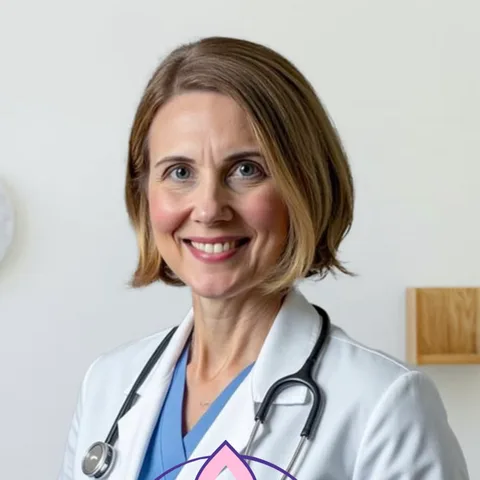
Dr. Campbell is a gynecologist in Aiea whose practice centers on the menopausal transition. She spent years as an OB/GYN hospitalist in Ohio and delivered more than a thousand babies before moving to Hawaii for an addiction medicine fellowship. She still treats patients with substance use conditions, so menopause care is one of two parts of her practice. Her own articles point patients toward FDA-approved estradiol and micronized progesterone, note that compounded hormones are not FDA-approved, and explain why she does not use DUTCH urine testing to guide treatment. Office visits run several weekdays and Saturday mornings, and Fridays are video visits only. New patients start by requesting a consultation through the form on her site.
Takes Blue Cross Blue Shield, UnitedHealthcare +15
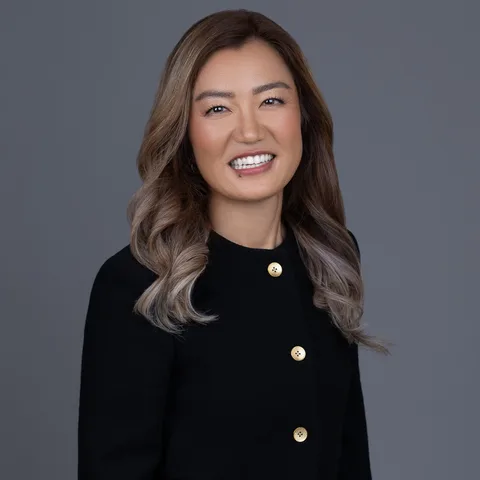
Dr. Sato runs a small solo gynecology office in the Queen's Physicians Office Building in downtown Honolulu. Her menopause page offers both hormone and non-hormone treatment for symptoms, and her service list covers postmenopausal bleeding, genitourinary changes of menopause, bone density and postmenopausal sexual health. She keeps a general gynecology practice running alongside that, including contraception counseling with IUDs and implants, and evaluation of pelvic pain and endometriosis. She was born and raised in Hawaii and trained at the University of Hawaii medical school and its residency programs. Her own patients nominated her for the Ke Kauka Po'okela outstanding physician award. The office usually has same day appointments for urgent problems and offers Saturday appointments, and new patients start by sending a request form rather than booking online.
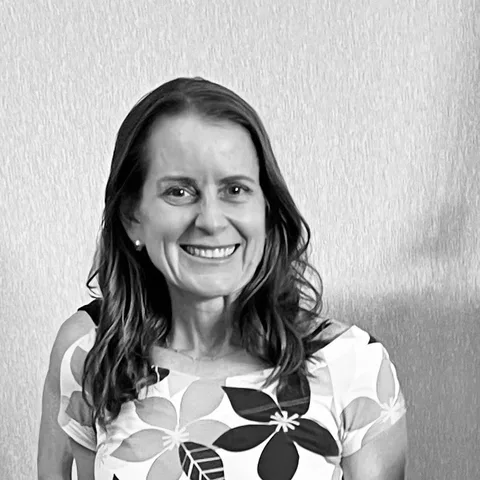
Dr. Ellingson is a family physician at Three Rivers Family Medicine, the rural health clinic attached to Three Rivers Hospital in Brewster. She has worked in North Central Washington since 2002, and for years that meant emergency shifts, deliveries, cesarean sections and hospital inpatients alongside clinic visits. She sees newborns through adults, and the hospital says she has found a niche in treating women through perimenopause and after menopause. On her clinician page at a Seattle menopause practice she describes ten years of working with women in perimenopause and postmenopause using bioidentical hormone therapy. She speaks Spanish fluently and has cared for a large Spanish speaking population her whole career. She is also the hospital's medical staff president and medical director of a children's foundation in Lesotho.