42 practitioners have an office in Idaho, and 52 more can see patients here by telehealth. 60 of them are certified by the Menopause Society, and the most are in Boise, Meridian and McCall.
Susannah Kerwin is a nurse practitioner who runs a small functional medicine practice in Denver. Care starts with two hour-long visits that go through your history, and specialty lab testing is often ordered. After that, members have a check-in every quarter, two health coaching visits a year and unlimited portal messaging. She prescribes FDA-approved bioidentical hormone therapy when it fits, alongside nutrition, gut and thyroid work. She practiced in San Francisco and New York and spent time in Beijing studying traditional Chinese medicine. Colorado patients can come in person, and patients in the other listed states are seen by video.
Ovella Health is a virtual practice Dr. Baxter co-founded with another family medicine physician after years in traditional primary care and urgent care. Every visit and every message is with the same doctor, first visits run a full hour, and follow-ups are usually half that. The practice sticks to FDA-approved bioidentical hormones and says plainly that it does not routinely prescribe pellets or compounded combinations. Care reaches past symptom relief into bone, heart and brain prevention, and the doctors order things like DEXA scans and coronary calcium scores for patients who want to go deeper. Dr. Baxter has a particular interest in caring for cancer survivors, and in women who cannot or would rather not use hormones. She grew up in Wyoming and moved to Bozeman in 2025.
Taylored Wellness is Dr. Taylor's own practice and she is the only physician in it. Care starts with a long physician evaluation that pulls prior records, labs, family history and genetics into one picture, then sets an order for what to address first. She treats hormone change as one system among several, so the same plan may also take in metabolism, sleep, cardiovascular risk and cognition. Treatment can include prescription medication, hormone therapy, supplements, exercise prescription and intravenous or injectable therapies. She trained and boarded in emergency medicine before moving into integrative and functional medicine, and says the crises she treated there were never sudden. Two six-month precision health programs are described on the site but are still in development, so for now the way in is one private consultation.
Bold Wellness is Torrie Clontz's own virtual practice for women in midlife, run from Las Vegas and open to patients in about fifteen states. Care starts with a two visit intake that includes a wide blood panel drawn at a lab near you and a follow up to go through the results and set a plan. After that most patients stay on a monthly membership that covers prescription changes and messaging with her through the patient portal. Alongside hormone therapy she runs a weight and metabolic program using GLP-1 medication, and she adds functional tests such as gut, cortisol and vaginal microbiome panels when they fit. She is clear that she is not a primary care provider or an OB-GYN, so patients need to keep their own and see her for the hormone and midlife side. Her own hypermobile Ehlers-Danlos diagnosis, which came after a circus career ended in injury, is why she started the practice and she treats that alongside hormones.
Gisele Thissen runs WISH on her own as a fully virtual practice, so every visit happens by video and there is no office to walk into. Every new patient starts with the same long one-on-one assessment, which runs about an hour and covers symptoms, history, medications and previous treatment before anything is decided. She prescribes hormone therapy and women's testosterone where it fits the history, and she treats thyroid problems, metabolic and weight concerns, and sexual health complaints alongside the menopause transition. After the assessment she recommends either a six month course of care called Reclaim or a twelve month concierge year, and neither is required. She spent over a decade as a bedside nurse in obstetrics before moving into private practice, and she sees patients in Spanish as well as English. When an exam, imaging or a specialist is needed she helps arrange it locally and brings the findings back into the plan.
Marissa runs a solo cash-pay telehealth practice based in Santa Fe and sees women from their mid-30s onward for perimenopause and menopause care anywhere in New Mexico. Care starts with an hour-long first visit and then shorter follow-ups every few months until treatment is stable, with portal messaging in between. She mostly prescribes FDA-approved bioidentical estradiol and progesterone that any local pharmacy can fill, and says most women will not need a compounding pharmacy. She does not order a standard lab panel for everyone and often decides on hormones from symptoms and history alone. She wants mammograms up to date before hormone therapy starts, and she also prescribes testosterone for low desire and non-hormonal options when hormones are not a fit.
Diana Kumar is a board certified OB-GYN who co-founded Gliss Wellness, a virtual practice built around perimenopause and menopause. All care happens by video and secure messaging, so there is no office to visit. A menopause visit runs about 30 minutes and ends with a plan and prescriptions for an initial three month period, followed by a check-in visit before refills continue for the rest of the year. She prescribes hormone therapy when it fits, can order labs and scans, and sends prescriptions to the patient's own pharmacy. She also sees women for weight counseling and for urgent gynecology problems handled through a short written form. Her stated areas of interest are PCOS, sexual dysfunction, bone health and longevity medicine.
Kandiss Inman leads menopause care at Illumination Women's Health, a small nurse practitioner owned clinic in Boise. She sees women in the Boise office or by video anywhere in Idaho or Montana. Her approach is evidence based hormone therapy, and she uses testosterone only in select cases backed by research. Women who can't or would rather not take hormones can get non-hormonal treatment instead. She also runs a medical weight program for midlife women, and a psychiatric nurse practitioner on the team handles mood concerns like anxiety and PMDD. She spent over two decades as a registered nurse before becoming a nurse practitioner.
Takes Aetna, Blue Cross Blue Shield +2 · from $58/mo
Kristen Santana is the women's health nurse practitioner at Functional Medicine of Idaho, a clinic with locations in Boise, Meridian and Eagle. She works out of the Boise clinic and lists menopause care as a main focus. The clinic combines functional medicine with conventional care. Patients can book women's health visits themselves online, and virtual visits are open to new patients in several western states.
Allie Theiss is a menopause coach, not a licensed clinician, and she does not prescribe. The main service is a private three or six month coaching program on her own six-part framework, covering nutrition, supplements, flower essences, sleep and stress, intimacy and energy. Smaller options are a one-off audit with a recorded video review, and single paid sessions by Zoom, phone or in person in Akron. She writes that hormone therapy was not an option in her own menopause, and the program's answer to hormonal symptoms is supplements, flower essences and lifestyle change rather than medical treatment. When checked, the online calendars for the paid sessions showed no open times and were not taking payment, so the audit and the coaching program were the open ways to start.
Dr. Towolawi runs a direct primary care practice in Shoreline, but her primary care panel is full, so new menopause patients see her through a separate telehealth service. Visits are by video for women in the states she covers. Care starts with an hour-long first visit, and shorter follow-ups are booked as needed. She prescribes hormone therapy when it fits and pairs it with lifestyle medicine coaching on nutrition and supplements, with secure messaging between visits. She is also board certified in lifestyle medicine. She is perimenopausal herself and speaks openly about women, especially women of color, being dismissed when they raise their symptoms.
Kristen Loose is the menopause specialist at Dr. Gina Mantor's medical spa and weight clinic in Westerville, where the rest of the practice focuses on aesthetics and weight loss. She treats perimenopause and menopause with standard hormone therapy, and offers non-hormonal prescriptions and lifestyle advice to women who can't or would rather not take hormones. The first consultation is free and happens by video. After that she sees patients in the office on Wednesdays and Saturdays or by appointment. She follows Menopause Society guidance closely and writes on the clinic's site that soy and black cohosh don't hold up for hot flashes.
BreAnne Huss is the only provider in the women's health service at North Idaho Dermatology, a skin, plastic surgery and spa group in Coeur d'Alene. She started as a labor and delivery nurse in 2003 and later taught in Georgetown's nurse midwife program. Her focus is perimenopause, menopause and the care of women over 50, and she has hormone therapy training through the Heather Hirsch Academy. The service also does annual gynecology exams, birth control, PCOS and lichen sclerosus care, and same-day visits for vaginitis. The group's online scheduler did not list her, so booking with her likely means calling the office.
Therapy for Midlife is Dr. Rashkis's solo virtual practice, and every session runs over video. She works with women moving through perimenopause and menopause, and she also sees men in midlife and couples. Care is talk therapy only, and the FAQ says the practice does not prescribe medication, though she will discuss a referral to a prescribing physician and can speak with your own doctor if you give written permission. For menopause she uses cognitive behavioral therapy for the distress that comes with hot flashes and CBT for insomnia for sleep trouble, alongside acceptance and commitment therapy and emotionally focused therapy. Sessions are 50 minutes, usually weekly at first and then spaced further apart, and she says most clients need five to fifteen of them. She is a lifelong competitive athlete who says she went through her own midlife upheaval, which is what led her to start the practice.
Dana Johnson is a registered nurse who spent about 20 years in the ICU before founding Qavah Functional Wellness, a telehealth-only practice. She started it after her own Long COVID turned into autoimmune and gut problems and then a hard menopause transition. Hormone therapy is offered to Alabama residents only, while the lab and gut health services also reach a few other southern states. Each hormone plan starts with lab work and a consultation, and bioidentical hormones come as creams, gels, pills, troches or injections. Prescriptions are written by the practice's licensed providers rather than by Dana, who is a nurse. New patients start with an online consultation request, and the team calls back within one business day.
Zeising is a licensed clinical psychologist and a certified sex therapist, and she has done this work for more than twenty years. Everything runs online over Zoom now, with no in person sessions, and she sees clients in California, Florida, Idaho and Vermont. Her perimenopause and menopause page is about desire, identity and the strain the transition puts on a relationship, and she says plainly that symptom management belongs to a woman's own gynecologist while she works the layer underneath. She prescribes nothing and refers out, working alongside gynecologists, urologists and pelvic floor physical therapists when the physical side needs attention. The named approaches she integrates include cognitive behavioral therapy, acceptance and commitment therapy, internal family systems and psychodynamic psychotherapy. She is a cancer survivor herself, and she says that experience shaped how she sits with people facing uncertainty.
Orama Wellness is an online psychology practice that Linda Kondilis founded in Atlanta after years of work in reproductive mental health. Care here is talk therapy rather than medical care, and nobody on the team prescribes hormones or orders labs. The perimenopause service is about coping with sleep trouble, anxiety, brain fog, pain and changes in sex and relationships. Most of the practice is fertility and third party reproduction work, with cancer support and couples counseling alongside it. New clients request a first appointment through the practice's booking portal, and she offers a free phone consultation before starting.
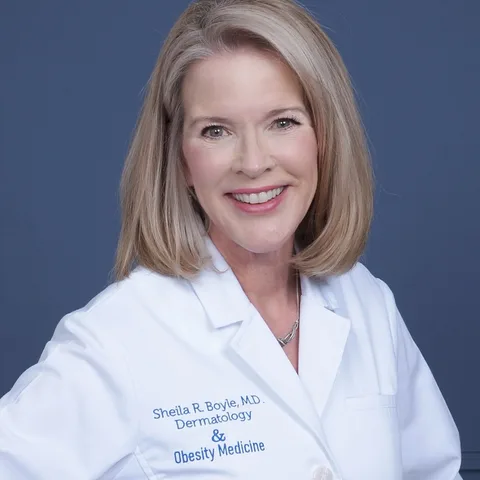
A solo direct-pay practice in Lone Tree whose stated scope is dermatology, cosmetic procedures and medically supervised weight management. The physician is board certified in dermatology and obesity medicine. Every initial visit is by video, with in-person follow-ups by appointment, and the practice does not bill insurance. Hormone replacement therapy is named only as one reason for a new-patient visit on the fee schedule, and no hormone or menopause care is described anywhere else on the site.
Allyson Reynolds works at OM Med Spa in Boise, a mostly aesthetic clinic, and runs its hormone therapy program herself. Care starts with a one-on-one visit with her to talk through symptoms, then a blood draw done in the office by the spa's nurse. Once the labs are back she goes over the results with you and settles on a treatment plan. The spa's price list includes hormone pellet placement. She spent 16 years as a registered nurse before becoming a nurse practitioner, and she also treats weight with GLP-1 medicines and skin problems like melasma and rosacea. New patients can book a hormone visit online.
Sarah Curtis is a family nurse practitioner at Women's Health Associates, a large OB/GYN and primary care group in Boise and Meridian. Her own bio says her special focus is menopause and transgender care. She came to nurse practice in 2023 after more than 20 years working as a nurse. She sees patients in both the gynecology and primary care sides of the practice, so menopause care can sit alongside routine exams and screening. The group also has its own mammography and treats osteoporosis and bladder leakage in the same office. Visits are billed to insurance.
Rebecca Adams founded Evergreen Women's Health as a solo practice for women in perimenopause and menopause, and she is the only clinician who sees patients there. She is board certified in family medicine and holds menopause certification, and her stated areas of focus are hormone and menopause care, metabolic health, sexual health and midlife health. Treatment plans may include estrogen, progesterone and testosterone, non-hormonal prescriptions, medication and lifestyle work for weight and metabolism, and lab testing to guide adjustments. The practice does not bill insurance and publishes its visit prices outright, which it says keeps appointments focused on evaluation and discussion rather than the time limits of insurance-based visits. Initial visits are scheduled for fifty minutes, and the site is blunt that it is not a fit for someone who wants a quick prescription visit or insurance-based care. Visits are offered in person in Idaho Falls and by telehealth, and new patients book directly through the practice's online scheduling.
Somæntis is a small longevity and metabolic health clinic in Boca Raton that Dr. D'Aleman opened in 2024 with her husband, who manages it. Care runs on an annual membership that covers a set number of physician visits, email and text access, and a block of testing including a DEXA scan, resting metabolic rate and a wide blood panel. She treats hormones as part of the metabolic picture rather than a separate track, and prescribes hormone therapy, testosterone and GLP-1 medication where they fit a plan. Before this she spent years as a pediatrician, including frontline primary care in rural Oregon during the pandemic, then retrained in lifestyle and obesity medicine. Visits can be in the office or by video, and new patients start with a free 20 minute meet and greet with the physician. The clinic says plainly that it is not a primary care practice and does not cover urgent or emergency needs.
Gliss Wellness is a virtual-only OB/GYN practice Dr. Walsh co-founded with a second board-certified OB/GYN, and menopause care is its main focus. Care starts with a 30-minute video consultation about your symptoms, and if hormone therapy suits you, you leave with prescriptions for the first three months. A follow-up at three months keeps refills going for the rest of the year, and refills in between happen by message through the patient portal. There is no membership, and you fill prescriptions at your own pharmacy. The doctors can't examine you in person but can order labs and other tests. Dr. Walsh's own interests include pelvic pain, endometriosis, fibroids and weight loss, and a free 15-minute call lets you meet the team before booking.
Beyer is a Midi clinical leader and sits on the company advisory board, and she still sees patients by video. She trained in obstetrics and gynaecology, then dropped obstetrics to work on gynaecology and hormonal health only. Weight is her second focus and she holds a diplomate from the American Board of Obesity Medicine. She talks openly about gaining weight before her 50th birthday and losing 35 pounds over five months, and she uses that with patients who are struggling. Care runs through Midi only, so visits are by video and anything needing an exam or imaging goes to an outside clinician. Her page has no booking link of her own, so the Midi sign-up does not let a new patient choose her by name.