136 practitioners have an office in New Jersey, and 92 more can see patients here by telehealth. 146 of them are certified by the Menopause Society, and the most are in Voorhees, Ridgewood and Englewood.
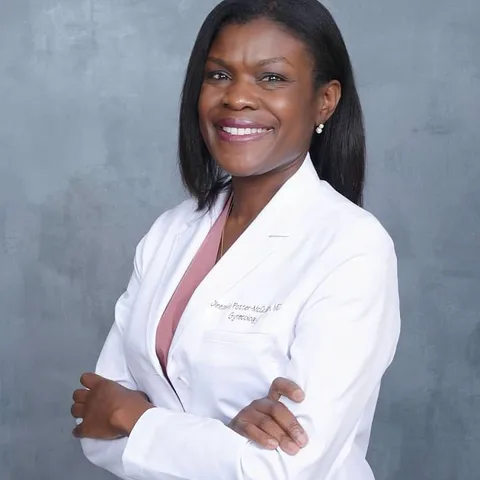
Dr. Potter-McQuilkin founded and runs Lavish, a small cash-pay practice in Hoboken for women in midlife. Care starts with a long first consultation of 60 to 90 minutes, either in person on a Tuesday or by video. Every visit after that is by telehealth. Her plans can include hormonal and non-hormonal treatment along with advice on sleep, nutrition and sexual health. She has a background in sexual medicine and also treats incontinence and pelvic floor problems. Women who want closer support can join a six-month menopause membership with monthly visits, which she caps at 75 patients.
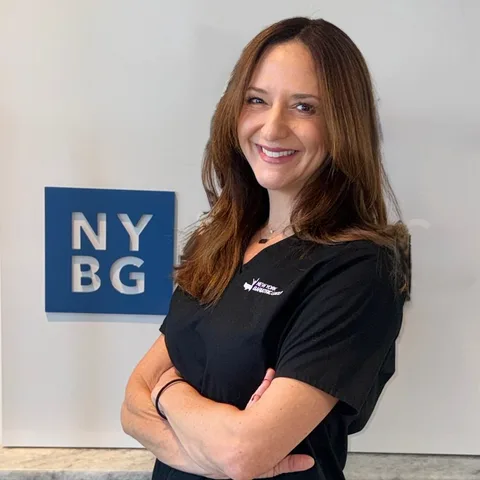
Angela Glasnapp leads Prime Women's Health and Wellness, a menopause program housed inside the New York Bariatric Group. She is a board certified bariatric surgeon and obesity medicine specialist who went on to become a certified menopause practitioner, so one doctor handles both the hormone side and the weight side of midlife. Care runs as a yearly concierge membership with extended visits, priority scheduling, and direct access to her by portal, text or email between appointments. She prescribes systemic and vaginal hormone therapy as well as non hormonal options, and will add a GLP-1 medication to a midlife plan when it fits. Visits happen in person at a few New York and New Jersey offices or by video for patients in New York, New Jersey and Connecticut.
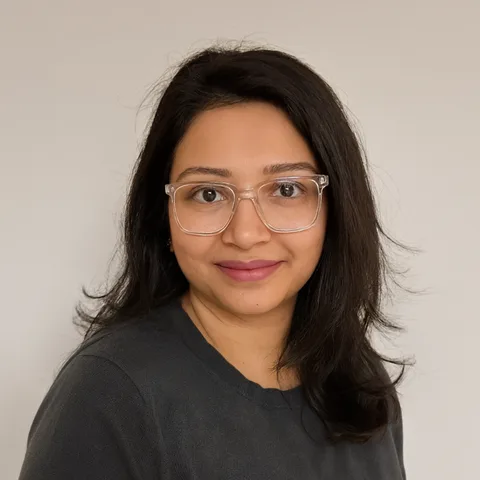
Dr. Mandel is an internal medicine and lifestyle medicine physician who spent about ten years as a hospitalist before moving to outpatient care. New menopause patients start with a set of three visits. The first is a long consultation, the second is a prevention visit about heart, bone, brain and metabolic health, and the third fine-tunes treatment. She prescribes hormone therapy and non-hormonal options, adds testosterone when it fits, and gives specific attention to women with a higher cancer risk or a past cancer. The practice is cash-only and provides superbills, and an ongoing membership is planned for 2027. Visits are in person at her Morristown office, some follow-ups can be done by video, and a free phone call is available before booking.
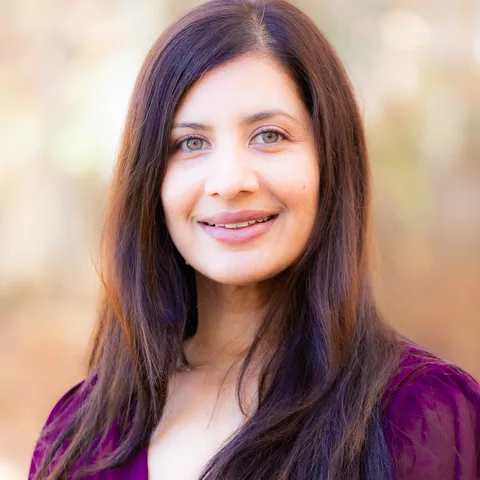
Luminate Gynecology is Dr. Patel's own direct care practice in Mountainside. Patients join as members and pay her directly instead of going through insurance for visits, which is how she keeps appointments long and same week slots open. Visits happen virtually or at her office, and members can reach her by email and secure text in between. She says she takes perimenopause and menopause seriously and prescribes hormone therapy when it is the right answer. She trained in obstetrics and spent years in hospitals and large networks, and she left obstetrics and aesthetic medicine out of Luminate on purpose so she could do gynecology well. She is the mother of two young children and says motherhood made her a better doctor.
Dr. DiGirolamo is a reproductive endocrinologist who spent a decade as a fertility specialist at Boston IVF before opening this virtual practice. She sees women from their first periods through menopause, with a focus on active women and athletes, and she manages perimenopause, menopause and hormone therapy. Care starts with a 50-minute Zoom consultation after an intake questionnaire, followed by shorter video follow-ups. Visits are video only, and a medical visit is only possible if you are calling in from a state where she is licensed. She is also a CrossFit trainer and nutrition coach, and she builds care on exercise and nutrition first, adding medication as needed. She does not provide primary care and recommends you keep your own primary care doctor.
Dr. Knight runs a solo membership practice in the Creekside area of The Woodlands, with separate monthly programs for menopause care, medical weight loss and primary care. She is board certified in internal medicine and obesity medicine on top of her menopause certification, and she treats hormone changes and weight together instead of sending patients elsewhere for the metabolic side. The first visit is a full hour covering history, symptoms and past labs, and it ends with a 3D body composition scan she uses as a baseline. She offers bioidentical hormone therapy and hormone testing for women who are candidates. Members can text or call her directly, and every visit is with her rather than another clinician. She sees adults only, and she asks patients to keep seeing their own gynecologist for gynecological exams.
Bold Wellness is Torrie Clontz's own virtual practice for women in midlife, run from Las Vegas and open to patients in about fifteen states. Care starts with a two visit intake that includes a wide blood panel drawn at a lab near you and a follow up to go through the results and set a plan. After that most patients stay on a monthly membership that covers prescription changes and messaging with her through the patient portal. Alongside hormone therapy she runs a weight and metabolic program using GLP-1 medication, and she adds functional tests such as gut, cortisol and vaginal microbiome panels when they fit. She is clear that she is not a primary care provider or an OB-GYN, so patients need to keep their own and see her for the hormone and midlife side. Her own hypermobile Ehlers-Danlos diagnosis, which came after a circus career ended in injury, is why she started the practice and she treats that alongside hormones.
Gisele Thissen runs WISH on her own as a fully virtual practice, so every visit happens by video and there is no office to walk into. Every new patient starts with the same long one-on-one assessment, which runs about an hour and covers symptoms, history, medications and previous treatment before anything is decided. She prescribes hormone therapy and women's testosterone where it fits the history, and she treats thyroid problems, metabolic and weight concerns, and sexual health complaints alongside the menopause transition. After the assessment she recommends either a six month course of care called Reclaim or a twelve month concierge year, and neither is required. She spent over a decade as a bedside nurse in obstetrics before moving into private practice, and she sees patients in Spanish as well as English. When an exam, imaging or a specialist is needed she helps arrange it locally and brings the findings back into the plan.
Diana Kumar is a board certified OB-GYN who co-founded Gliss Wellness, a virtual practice built around perimenopause and menopause. All care happens by video and secure messaging, so there is no office to visit. A menopause visit runs about 30 minutes and ends with a plan and prescriptions for an initial three month period, followed by a check-in visit before refills continue for the rest of the year. She prescribes hormone therapy when it fits, can order labs and scans, and sends prescriptions to the patient's own pharmacy. She also sees women for weight counseling and for urgent gynecology problems handled through a short written form. Her stated areas of interest are PCOS, sexual dysfunction, bone health and longevity medicine.
Dr. Zimmerman is a board-certified internist with a small private practice in Bay Head, where she sees adults for primary care as well as menopause. She uses bioidentical hormones when hormone therapy is a good fit and prescribes non-hormonal options when it is not. Before recommending anything she goes through your medical and family history, with close attention to osteoporosis, breast cancer and heart disease risk. She worked as a psychiatric social worker before medicine and still manages psychiatric medication, so she can treat mood and anxiety alongside hormones. She books longer visits than most offices on purpose. New patients request a visit through an online form, and staff confirm it by phone.
Nova Wellness is a small physician-led practice in Roseland where Dr. Knight leads the women's health side and a preventive cardiologist leads the heart side. She sees women through perimenopause and menopause, and her plans usually go beyond hormones into bone density scanning, advanced lipid and inflammation testing, and body composition work. She prescribes bioidentical estradiol, most often as a patch, gel or cream, with oral micronized progesterone, and will use vaginal estrogen on its own when systemic hormones are not right. Her site is direct about limits, saying hormone therapy is not the answer for everyone and that she will tell you when it is not. Sexual health is treated as a real part of the visit, including for breast cancer survivors with genitourinary symptoms who have been told they cannot use any estrogen. Nova does not take over primary care, so you keep your own doctor for routine screening and refills, and new patients start with a short call about services and cost.
Dr. Welsh is an OB-GYN at Valley Medical Group's gynecology office in Ridgewood, part of the Valley Health System. Menopause is one of the conditions her bio lists, along with pregnancy, fibroids, PCOS and infertility, so a woman in midlife sees her in a general gynecology practice rather than a menopause clinic. Care runs the way a hospital group runs, with visits in the Ridgewood office, insurance billed, and appointments made by phone or through Valley's online scheduling. She chairs Women's Services for Valley Medical Group and speaks on maternal mortality and morbidity. She says she grew up in an underserved area and saw the gap in care there, and that is what pushed her into medicine.
Dr. Bewtra is one of three gynecologists at Comprehensive Women's Care in Englewood, a practice that began in the 1970s and is now part of a much larger regional network. She sees women at every stage of life, and menopause sits alongside contraception, pregnancy care, cervical health and preventive medicine in what she does. Menopause care here is part of general gynecology rather than a separate hormone program, and the network says the options range from hormone replacement therapy to natural remedies and counseling. The office has run its own bone density testing since 2002 to catch osteoporosis and gauge fracture risk, which matters if bone loss is your main menopause concern. She also operates, including minimally invasive and in-office surgery, so endometriosis and PCOS are handled in the same place. A new patient can pick a first-visit slot through the network's online booking tool or leave contact details and get a scheduling call back.
A solo practice run by a physician board-certified in OB/GYN, maternal-fetal medicine, obesity medicine and lifestyle medicine, caring for women from preconception through menopause with weight, metabolic and midlife hormone management under one clinician rather than split between specialists. Care is hybrid. Most visits are virtual across New Jersey, New York and Pennsylvania, and there is a Fanwood office for in-person appointments and body composition scans. After a flat intake visit, patients either pay per visit or join a single membership that bundles all visits, portal messaging with a one to two business-day reply, periodic labs, and screening reminders. Dr. Maggio is unusually open about her own hundred-pound weight loss and frames obesity as a chronic condition rather than a willpower problem.
Allie Theiss is a menopause coach, not a licensed clinician, and she does not prescribe. The main service is a private three or six month coaching program on her own six-part framework, covering nutrition, supplements, flower essences, sleep and stress, intimacy and energy. Smaller options are a one-off audit with a recorded video review, and single paid sessions by Zoom, phone or in person in Akron. She writes that hormone therapy was not an option in her own menopause, and the program's answer to hormonal symptoms is supplements, flower essences and lifestyle change rather than medical treatment. When checked, the online calendars for the paid sessions showed no open times and were not taking payment, so the audit and the coaching program were the open ways to start.
Dr. Carol runs a small concierge practice for women in perimenopause and menopause, and she is going through midlife herself. She spent about 20 years as an emergency physician before turning to menopause care. Care starts with a free 30-minute video call, then a package of two long visits, each 60 to 90 minutes, with messaging between and after them. Visits can be at her Manhattan office, by video, or at your home or workplace. The visits look at symptom treatment along with bone, heart and breast cancer risk. She does not replace your own doctors, so you still need a primary care doctor and a gynecologist for exams and mammograms.
A concierge integrative and functional internal medicine practice in Manhattan for adults with chronic conditions and midlife health, led by a board-certified internist who is also a Menopause Society Certified Practitioner. Care is sold as twelve-month packages pairing physician visits with an integrative health advisor. The first assessment is a 90-minute consultation plus an advisor visit, and New York patients are encouraged to come in for a brief exam. Consultations are by video, with unlimited portal messaging and calls answered within one to two business days.
Jackie Stone, MD sees women entirely by telehealth, in a practice she runs alone. She is board certified in obstetrics and gynecology and in obesity medicine, and treats perimenopause, menopause and primary ovarian insufficiency alongside PCOS, genitourinary symptoms, sexual wellness, and skin and hair changes. First visits run a full hour and cover past records, labs and a treatment plan. Ongoing care is by monthly membership or visit by visit, with direct messaging for members.
Pamela Neff is an OB/GYN at THE Health and Wellness Centers, a federally funded community clinic group with five health centers around south Los Angeles that has been seeing patients since 1974. The clinic takes people regardless of ability to pay or immigration status, and its own pages cover gynecology, family planning and prenatal care rather than menopause. Her menopause practice is published through Gennev, a virtual menopause service where she sees California, New Jersey and Pennsylvania patients by video. She names perimenopause, menopause, premature ovarian insufficiency and breast cancer risk or survivorship among what she handles. Before Los Angeles she practiced nearly twenty years in Philadelphia, doing minimally invasive surgery and training OB/GYN residents. She says she listens first to what a patient has already been through with health care, then works out a plan with her.
Dr. Latte-Naor is an internist who spent eight years on the integrative medicine service at Memorial Sloan Kettering. Much of her practice is women going through menopause during or after cancer treatment. First visits run about an hour, and she suggests coming to the Upper East Side office for that one, with video visits available for patients in New York, New Jersey or Pennsylvania. Alongside hormone therapy she uses sleep-focused behavioral therapy, mindfulness and hypnosis. She gives frank, evidence-based advice on herbs and supplements, sells none herself, and passes any supplement discount on to patients. You can book a single consultation or ongoing care, and her office sends an intake packet once you schedule.
Kristen Loose is the menopause specialist at Dr. Gina Mantor's medical spa and weight clinic in Westerville, where the rest of the practice focuses on aesthetics and weight loss. She treats perimenopause and menopause with standard hormone therapy, and offers non-hormonal prescriptions and lifestyle advice to women who can't or would rather not take hormones. The first consultation is free and happens by video. After that she sees patients in the office on Wednesdays and Saturdays or by appointment. She follows Menopause Society guidance closely and writes on the clinic's site that soy and black cohosh don't hold up for hot flashes.
Mia Elder is a certified nutritionist whose practice works only with women in perimenopause, menopause and postmenopause, including women with premature ovarian insufficiency, surgical menopause, and women who are on hormone therapy or cannot take it. She prescribes nothing and does not manage hormone therapy, so the care here is nutrition counseling alongside whatever a woman's own prescriber is doing. Care runs either as a single ninety minute midlife check-up or as a six session program that opens with a full intake and then meets every few weeks, with message access and research done between sessions. She was diagnosed with premature ovarian insufficiency at 39 after five years of being told nothing was wrong, and she built the practice around what she wishes she had been given. She spent seven years in metabolic health at Dexcom and reads continuous glucose monitor data, and she says plainly that she will not hand anyone a list of forbidden foods. California patients need a physician referral before she can see them.
Shook is a registered dietitian nutritionist at Gennev, a menopause clinic that works entirely by video. This is nutrition and exercise work rather than prescribing, and the clinic's doctors are the ones who handle medication. Gennev's dietitians cover food, movement, sleep and supplements, and they share notes with the gynaecologist seeing the same patient. His stated focus is weight management and body composition, with cardiometabolic health and resistance training to preserve muscle, and he has published research on resistance training and women's health. For general menopause care a doctor refers you to the dietitian, but the weight management track lets you self-refer and start with the dietitian intake. A typical course of care runs every two to three weeks for at least three months, with unlimited messaging between visits.
A solo nurse-practitioner-led wellness practice in Pearl River treating women and men for hormonal imbalance, with bioidentical hormone replacement as a core service alongside medical weight loss, functional medicine and aesthetics. Women's care covers menopausal symptoms including hot flashes, night sweats, mood changes, sleep, vaginal dryness, low libido, weight and bone health, and delivery routes include oral, topical, injection, patch and pellet therapy. Booking runs through an online scheduler offering in-person and virtual visits for new patients and follow-ups, with follow-ups built around reviewing hormone labs. The site also hosts a menopause symptom questionnaire and a supplement dispensary.