Menopause Specialists Who Accept Insurance in Pennsylvania
199 practitioners have an office in Pennsylvania, and 94 more can see patients here by telehealth. 209 of them are certified by the Menopause Society, and the most are in Philadelphia, Pittsburgh and Allentown.
Takes Aetna, Blue Cross Blue Shield +2 · first visit $200
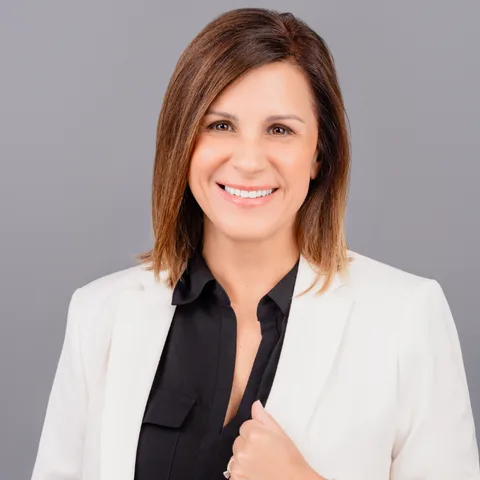
Aspire Mental Health is Stephanie Arotin's own psychiatric practice in Indiana County, and menopause care sits alongside the mental health work rather than replacing it. She is board certified as both a psychiatric mental health nurse practitioner and a family nurse practitioner, which is how a mental health office ends up prescribing FDA approved hormone therapy. Her menopause page is aimed at women whose hot flashes, night sweats, brain fog and mood changes are tangled up with hormonal shifts. A first visit runs about an hour and follow ups are half an hour, with medication, nutritional supplements and lab results reviewed along the way. She asks that initial evaluations happen in person even though later visits can be virtual, and the online booking tool lets a new patient pick hormone replacement therapy as the reason for the visit. She also offers genetic testing to gauge how a patient is likely to respond to psychiatric medications.
Takes Aetna, Blue Cross Blue Shield +4 · first visit $150
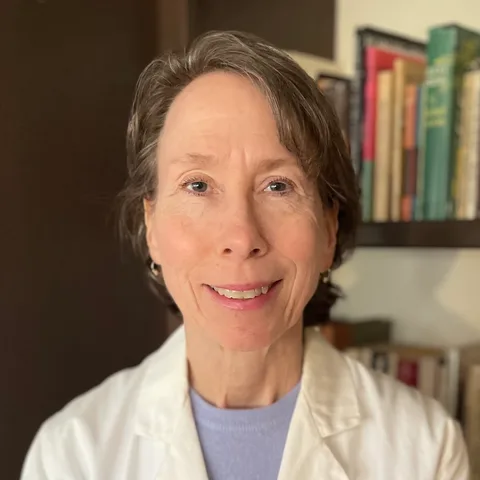
MyMenopauseRx is a virtual menopause practice founded by a gynecologist, and Krantz is one of about a dozen clinicians a patient can pick from. Visits are video appointments of about thirty minutes, and most patients come back every eight to twelve weeks until their symptoms settle. She prescribes FDA-approved estradiol and progesterone rather than compounded hormones, and the practice is clear that it works alongside a patient's own primary care doctor rather than replacing it. Testosterone is written only for patients located in Illinois, and everyone else gets the prescription from their own doctor while the practice manages the dosing. Krantz has practiced for more than thirty years in university, HMO, community health and telehealth settings, and she completed the integrative medicine fellowship at the University of Arizona with training in medical acupuncture. She works from Oregon and says she has aged alongside her patients, which is how menopause care became her emphasis.
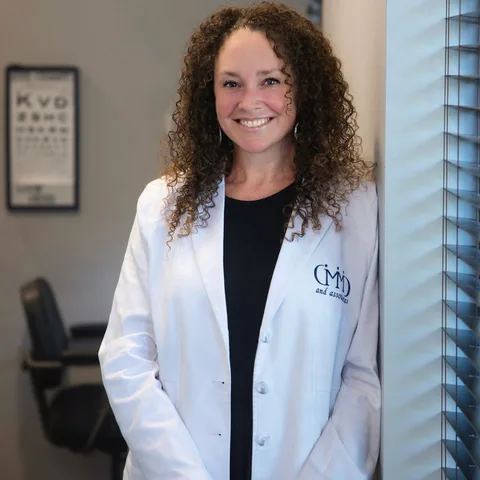
Wendy Ronco is a nurse practitioner at a large primary care practice in Exton, and her work there now centers mostly on menopause care. To see her you have to be a patient of the practice with one of its clinicians as your primary care provider. New patients can enroll with the practice and then book with her. She sees patients in the office and also does menopause visits by video on Tuesdays and Wednesdays, for patients who are in Pennsylvania at the time. She has spent her whole career in women's health and obstetrics and also handles gynecology such as Pap smears and IUDs. The practice's clinicians also run a free on-demand video series on menopause.
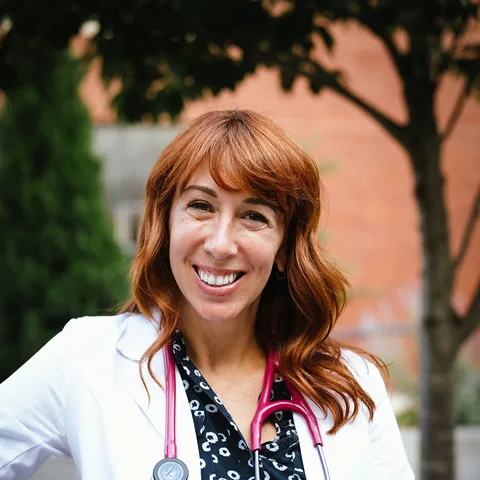
Caran Hayes is a physician assistant at Aspirational Health, an independent primary care practice in Mars, north of Pittsburgh. The practice's women's hormone health page is built around her, and she sees women through perimenopause and menopause. First visits run about an hour, with follow-up care and portal messages between visits. She can also be your primary care provider. The practice says plainly that it may not be the right fit for someone who mainly wants traditional primary care built around periodic visits and prescription refills.
Klemens is an OB/GYN at Jefferson Health's Willow Grove office, which was Womencare Obstetrics & Gynecology before Jefferson took it over. She is one of ten clinicians Jefferson lists on its menopause care team, and her own page names menopause and perimenopause among the conditions she treats. This is a general OB/GYN practice rather than a menopause-only one, so hormone therapy sits alongside pap tests, fibroids and gynecologic surgery in what she does. Jefferson's menopause program starts with a full evaluation before deciding between hormone therapy and non-hormonal treatment, and it says plainly that the timing of when you start hormones matters. New patients can book online without phoning first, and her booking page offers a telemedicine first visit as well as an in-office one. She also sees patients at Jefferson's Abington office and delivers at Jefferson Abington Hospital.
Takes UnitedHealthcare, Oxford Health Plans +7 · first visit $175
Shonda Moralis is a licensed clinical social worker, so this is talk therapy and coaching, not medical care or prescribing. Her therapy sessions are all virtual and cover anxiety, stress, parenting and relationship issues and life balance, drawing on mindfulness-based approaches and cognitive-behavioral therapy. The therapy page does not mention menopause. Her perimenopause work is a separate three-month coaching package for women in midlife, with six video sessions, a symptom and lifestyle plan and weekly check-ins, and it begins with a free 20-minute call. She teaches mindfulness-based stress reduction and wrote two books on five-minute mindfulness for busy mothers and busy women. Much of her public work is speaking and workplace programs on menopause, which are not care a reader can book.
Amy Harvey O'Keeffe is one of six physicians at Capital Health's OB/GYN office in Yardley, and she has cared for women in the Mercer and Bucks County area for more than 30 years. Her own focus is menopausal medicine and women's sexual health, inside a group practice that otherwise covers pregnancy, routine gynecology and gynecologic surgery. She also sees patients at the group's Browns Mills office in New Jersey. Appointments are made by calling the office, and there is a lab draw station in the Yardley suite. She is a Master Level Reiki practitioner and describes her care as a blend of wellness coaching and integrative medicine, with daily meditation part of what she asks of patients. In 2010 she started The GyniGirls, a monthly support group for women diagnosed with gynecologic cancers.
Pamela Neff is an OB/GYN at THE Health and Wellness Centers, a federally funded community clinic group with five health centers around south Los Angeles that has been seeing patients since 1974. The clinic takes people regardless of ability to pay or immigration status, and its own pages cover gynecology, family planning and prenatal care rather than menopause. Her menopause practice is published through Gennev, a virtual menopause service where she sees California, New Jersey and Pennsylvania patients by video. She names perimenopause, menopause, premature ovarian insufficiency and breast cancer risk or survivorship among what she handles. Before Los Angeles she practiced nearly twenty years in Philadelphia, doing minimally invasive surgery and training OB/GYN residents. She says she listens first to what a patient has already been through with health care, then works out a plan with her.
Shook is a registered dietitian nutritionist at Gennev, a menopause clinic that works entirely by video. This is nutrition and exercise work rather than prescribing, and the clinic's doctors are the ones who handle medication. Gennev's dietitians cover food, movement, sleep and supplements, and they share notes with the gynaecologist seeing the same patient. His stated focus is weight management and body composition, with cardiometabolic health and resistance training to preserve muscle, and he has published research on resistance training and women's health. For general menopause care a doctor refers you to the dietitian, but the weight management track lets you self-refer and start with the dietitian intake. A typical course of care runs every two to three weeks for at least three months, with unlimited messaging between visits.
Emily Friesen Burkholder is a women's health nurse practitioner at Penn State Health Obstetrics and Gynecology on Bernville Road in Reading. The office is a hospital-based group with OB/GYNs, nurse midwives and a urogynecologist, and it covers women from puberty through pregnancy and into the years after menopause. Penn State Health's Berks women's care page lists menopause and perimenopause care among its gynecology services and says the team helps with hot flashes and night sweats, trouble sleeping, mood changes, bone density loss and urinary incontinence. On her own page she says she aims to give patients a safe place to ask questions, and she counts menopause among the life stages she likes to support them through. She started her nursing career at the Hospital of the University of Pennsylvania caring for leukemia and lymphoma patients, then moved to the labor and delivery unit there. Visits are billed to insurance and appointments are made by calling the office, and the site does not say which menopause treatments she uses.
Gennev is an all-virtual menopause clinic owned by Unified Women's Healthcare, and care starts with a 30 minute video visit with a menopause-trained doctor. Dunsmoor-Su is Gennev's chief medical officer and she also carries her own patient list. The areas she names herself include premature ovarian insufficiency, breast cancer risk and survivorship, endometriosis, and weight management with medication. Her background is clinical epidemiology, and she still runs women's health drug trials as a medical director at a Seattle research centre and teaches OB-GYN residents. She says she treats each visit as a chance to explain the current evidence so the decision about treatment is a shared one. Doctors here prescribe FDA-approved hormone therapy when a patient is a candidate and non-hormonal medicines when she is not, and the clinic tells patients to steer clear of compounded weight drugs made outside FDA oversight.
Beyer is a Midi clinical leader and sits on the company advisory board, and she still sees patients by video. She trained in obstetrics and gynaecology, then dropped obstetrics to work on gynaecology and hormonal health only. Weight is her second focus and she holds a diplomate from the American Board of Obesity Medicine. She talks openly about gaining weight before her 50th birthday and losing 35 pounds over five months, and she uses that with patients who are struggling. Care runs through Midi only, so visits are by video and anything needing an exam or imaging goes to an outside clinician. Her page has no booking link of her own, so the Midi sign-up does not let a new patient choose her by name.
Dr. Groysman is an endocrinologist at Penn Medicine's Bucks County office in Yardley, and she sees patients 18 and up. Penn lists menopause hormone therapy among the treatments she provides, and her conditions run from osteoporosis and thyroid disease to weight and metabolic health. Her endocrine training shows in the workup, and she screens heart, bone and metabolic markers rather than treating symptoms alone. She is certified in clinical densitometry, so bone density is her own territory. Away from the clinic she writes a large patient education library, where she walks readers through the Women's Health Initiative data and says plainly why she discourages vaginal laser rejuvenation. She keeps that site separate from care and tells readers it is for general questions, not medical advice.
Dr. Maher is a general OB-GYN at Carilion's Riverside women's clinic in Roanoke who also holds the Menopause Society certification. She sees women through perimenopause and menopause alongside routine gynaecology, and chronic pelvic pain is one of the conditions she lists. Before coming to Carilion she spent eight years in private practice in Philadelphia. She also teaches medical students at the Virginia Tech Carilion School of Medicine. Her profile says she is accepting new patients, and a new patient starts by calling the office rather than booking online, because Carilion's online scheduling covers existing patients only. Carilion's site lists the conditions she treats but does not say what she prescribes for menopause.
Jeanine Grillo Devlin, MD is an obstetrician-gynecologist at Kramer OB/GYN and Associates, a Redeemer Health practice, seeing patients on Bustleton Avenue in Philadelphia and in Huntingdon Valley. She is a Menopause Society Certified Practitioner with more than 24 years in practice, and offers hormonal, non-hormonal and lifestyle treatment for menopause. Menopause management is one service line in a practice that also provides obstetric and general gynecologic care.
Winston is a board certified obstetrician gynaecologist at Boston Medical Center. She sees patients at two sites, the main Boston campus on Harrison Avenue and BMC Brighton. Her hospital listing places her in obstetrics and gynaecology along with labour, delivery and postpartum care, so her published work includes deliveries and not only office gynaecology. Boston Medical Center publishes nothing about menopause, perimenopause or hormone therapy for her, and her profile carries no specialties list at all, while a colleague at the same Harrison Avenue office does list menopause. Her menopause certification from The Menopause Society is current, but her employer's site gives no sign that she offers menopause care. She trained in obstetrics and gynaecology at Marshall University in West Virginia after earning her osteopathic degree in Tennessee.
Stephanie Almeida, DO is a board-certified obstetrician-gynecologist at Jefferson OB/GYN Mayfair, a Jefferson Health practice on Frankford Avenue in Philadelphia, formerly Einstein OB/GYN Associates. Her provider page lists menopause, perimenopause and vaginal dryness among the conditions she treats and hormone replacement therapy among her treatments. She practices full-scope obstetrics and gynecology, with a stated interest in high-risk pregnancy and irregular cycles including PCOS, and also sees patients at the Lawndale and Paley offices.
Dr. Doherty is a family physician with Penn Medicine Lancaster General Health who sees patients of all ages at her Queen Street office in Lancaster. She is certified by the Menopause Society, so midlife hormone care sits inside her regular primary care practice rather than a separate clinic. She also holds certifications in lifestyle medicine and HIV medicine. Her stated approach is to learn each patient's values and priorities and make decisions together, since the right choice is rarely the same for everyone. New patients can book a first visit online through the health system's scheduling page.