Dr. Lewis runs a solo virtual practice for Arizona residents, and every visit is by video or phone. She now takes new patients only with complex cases. That includes a breast cancer history or BRCA mutation, a clotting disorder, early menopause, a hysterectomy, or symptoms that pellets or compounded hormones did not fix. She prescribes FDA-approved bioidentical hormones and steers patients away from pellets, compounded creams and hormone level testing. She started out in community mental health and has extra training in reproductive psychiatry, so mood changes in perimenopause are a real focus. She is not a primary care doctor, and once treatment is stable your regular doctor usually takes over the prescriptions.
Family medicine · DNP, CNP, FNP-C, PMHNP-BC, MSCP, IFMCP
Accepting new patients
Worthington, OH · In person & virtual
Self-pay · first visit $250
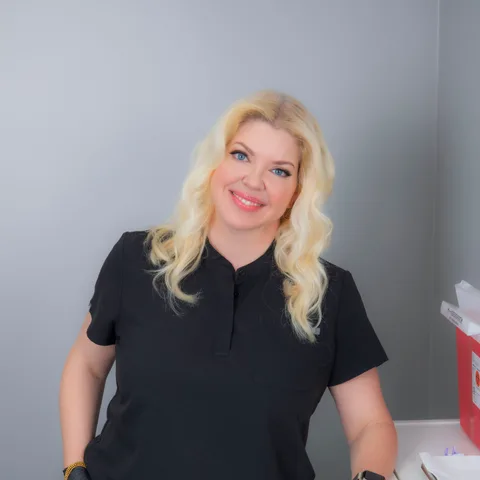
Christine Salem owns Precision Health and Wellness in Worthington, a clinic that pairs hormone care and medical weight loss with a full menu of aesthetic treatments. She is board certified in both family and psychiatric mental health nursing, which gives her a feel for how mood and physical symptoms tie together in midlife. Care starts with a lab draw, then a consultation where she reviews the results and builds a plan that can also look at thyroid, cholesterol and gut health. Biote hormone pellets are her favorite service and the clinic's main hormone option, with new pellets placed in the office every three to six months. Visits can be in person or by telehealth, and she also runs a medical weight loss program and enjoys taking on complex cases.
Jamie Shirey founded Midlifesy in Carlisle after reaching menopause while raising five teenagers and running into the same dismissal patients describe. Every patient starts the same way, with a paid Clarity Consult that includes a 40-plus biomarker lab panel, an intake form and a results review before the first real conversation. Most patients then move into a 12-week program, either the hormone track that can include estradiol, progesterone and testosterone, or the metabolic track that can include a GLP-1. Care then settles into visits about every three months with repeat labs and medication management. Midlifesy also runs a separate aesthetics side with Botox, microneedling with PRF and chemical peels, and it treats men as well as women.
Menopositive is a small telemedicine practice run by one menopause-certified nurse practitioner for women in perimenopause and menopause. Care starts with an hour-long video consult that goes through your medical and family history, screenings, medications and supplements, and your goals. Follow-ups are half-hour visits. She offers both hormonal and non-hormonal treatment and brings functional and lifestyle medicine into the plan, with a longer functional medicine track for people with chronic conditions who want closer follow-up. She also runs monthly group sessions where women can learn about the menopause stages and ask questions together.
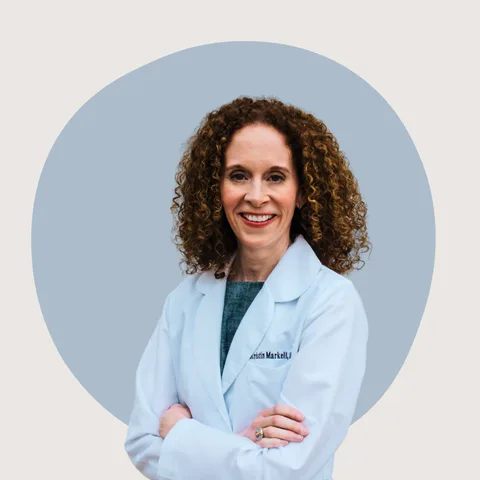
Dr. Markell spent about ten years as a practicing OB/GYN before leaving conventional practice to open her own integrative hormone clinic in downtown Springdale. Care is organized as programs rather than single visits. Most women start with a three-month consult that includes an hour-long first visit and a lab review, then move into a yearlong program with a few private visits and portal access to her team. She prescribes estrogen, progesterone and testosterone when they fit, and also works with women who cannot or do not want to take hormones. Her yearlong programs add group nutrition visits, body composition scans and a pelvic floor therapy visit. She does not do annual gynecology exams, so you still need someone else for those.
Dr. Mahdai runs the menopause side of Timely Health, a small cash-pay preventive clinic in Rancho Bernardo that she shares with a second internist focused on women's heart health. Care starts with an hour-long visit covering symptoms, hormones and metabolic health, and most patients then move onto a monthly membership with secure texting and a few follow-up visits a year. She prescribes FDA-approved and bioidentical hormone therapy and uses compounded hormones only when needed. She is also board certified in obesity medicine, so weight, bone and thyroid concerns are handled in the same plan. The clinic has its own DEXA scanner, and the membership includes an initial bone and body composition scan. Visits can be in person or by video anywhere in California.
Dr. Mandel is an internal medicine and lifestyle medicine physician who spent about ten years as a hospitalist before moving to outpatient care. New menopause patients start with a set of three visits. The first is a long consultation, the second is a prevention visit about heart, bone, brain and metabolic health, and the third fine-tunes treatment. She prescribes hormone therapy and non-hormonal options, adds testosterone when it fits, and gives specific attention to women with a higher cancer risk or a past cancer. The practice is cash-only and provides superbills, and an ongoing membership is planned for 2027. Visits are in person at her Morristown office, some follow-ups can be done by video, and a free phone call is available before booking.
Health Blossoms is Dr. McKenzie's own clinic in north Dallas, built around hormonal health for women and teen girls from the first period through menopause. She is a naturopathic doctor and licensed acupuncturist, and her care runs on functional lab testing, herbs and nutrients, nutrition and lifestyle changes, acupuncture, low level laser therapy and Arvigo Maya abdominal massage. Her site says plainly that Texas does not license naturopathic doctors and that she cannot do gyn exams, Pap smears or imaging, so she describes herself as the holistic member of a care team that still includes an obgyn or primary care doctor. New patients usually start with a free fifteen minute discovery call, then a long first visit whose fee covers the time she spends reviewing labs and writing a protocol between appointments. She holds an acupuncture license in Texas and keeps her naturopathic and acupuncture licenses in California, and virtual visits run through the clinic's Charm portal. Herb and supplement recommendations are filled through a Fullscript dispensary.
Hope and Health is a direct primary care practice in Leander that Joanna Meley founded, and she is currently its only provider. Membership covers unlimited visits, direct texting with her, in office procedures and lab draws, with visits that typically run thirty to sixty minutes. She came to direct primary care in 2018 after working as a nurse practitioner in detox and recovery centers, community clinics for the medically underserved, and pediatrics. On the women's health side she handles hormone therapy, perimenopause and menopause management, contraception and well woman exams. Care can happen in the office, at a patient's home or workplace, or by video. Someone who wants to be seen before joining can book a one time visit and have its cost credited toward a membership.
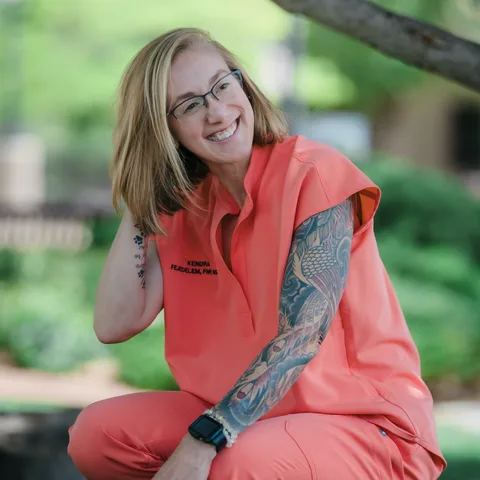
Kendra runs a small virtual menopause practice, and every visit is by video for women located in Colorado. She went through menopause herself at 44 after more than a decade of symptoms, and she says she got little help at the time despite being a clinician. She starts hormone therapy one hormone at a time and adds others gradually, an approach she learned through the Heather Hirsch Academy. Non-hormonal options are fully supported, and you do not have to take hormones to be her patient. With six years in primary care, she can also help manage cholesterol, blood pressure, thyroid and blood sugar alongside menopause care. Hours are limited to two evenings a week for now, and new patients are asked to call before booking.
Margot Walker runs a small concierge-style practice in Janesville focused on women in perimenopause and menopause, and she has worked in women's health for more than 25 years, including years leading lactation programs. Care starts with a 60-minute in-person Priority Check that includes a fasting lab draw, a body composition scan and a lab review visit. From there she builds a plan that can include estrogen, progesterone, testosterone and vaginal estrogen or DHEA, alongside nutrition, supplements and strength training. She prescribes FDA-approved bioidentical hormones and does not offer pellets, which she explains on her site because they are not FDA approved and dose unevenly. Follow-ups come every 8 to 12 weeks, visits can be in person or by video, and patients can message the team through a portal between appointments. Office hours are evenings only, Monday through Thursday.
Hot Springs National Park, AR · In person & virtual
Self-pay · first visit $500
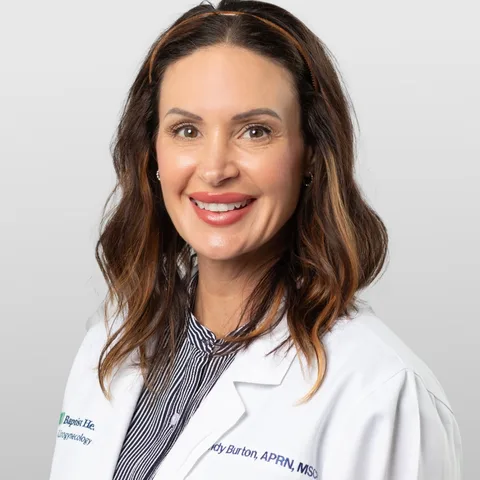
Mandy Burton runs a small self-pay clinic in Hot Springs focused on menopause, perimenopause and midlife hormone care, and she also has urogynecology training. Care starts with a long first visit, usually in person with labs drawn on site. After that you can pay per visit or choose a six-month or yearly plan that adds messaging between appointments. Telehealth is used for follow-ups that don't need labs or a body composition scan. She prescribes hormone therapy and testosterone for women, won't use pellets because they can't be adjusted once placed, and is openly skeptical of the idea that compounded hormones are safer. The clinic is not a replacement for your primary care provider, so you keep your own doctor for everything outside hormones and pelvic health.
Dr. Reyes founded Magnolia Gynecology in Tampa and sees menopause and hormone patients by video. The first visit is an hour, labs are ordered during it, and follow-ups are shorter and usually come about three months later. Prescribing is only for people living in Florida. Women in other states can book an education-only consult where nothing is prescribed. The practice writes openly that pellets push hormone levels too high, so it mostly uses testosterone gels and creams that can be stopped. Blood levels are checked every four to six weeks when testosterone starts.
Jennifer Ellis sees women in perimenopause and menopause at offices in Las Vegas and Encino, and by video for California and Nevada residents. Care starts with a 90-minute visit that includes an expanded hormone lab panel, and she prescribes bioidentical hormone therapy alongside functional medicine testing and lifestyle advice. Patients can pay per visit or join a monthly membership that covers labs and follow-ups, though medications are extra. She also treats low libido, menopausal hair loss and weight, including GLP-1 medication. She is not a primary care or gynecology provider, so you keep your own doctors for Pap smears, mammograms and annual exams. She started as a labor and delivery nurse and has spent more than 20 years doing cosmetic injectables, which she also offers.
Luna Hormone Health is a small menopause practice in Worcester and West Newton founded by Maggie Powers, who went through a rough perimenopause herself and felt brushed off. Before this she was a nurse practitioner in thoracic surgery and pulmonary care at UMass Memorial, and HRT after cancer treatment is one of her special interests. New patients start with a free discovery call and then pick a fixed program, either a four month one-on-one package that includes labs and a bone density scan or a cheaper three month program that mixes group Zoom sessions with private visits. After that you can stay on a monthly plan, with options that add thyroid care or medical weight loss, or take your plan back to your own PCP or gynecologist. Most patients get FDA-approved bioidentical hormones from a regular pharmacy, with compounding kept for people who can't use those, and the practice won't do pellets because the dose can't be adjusted. Visits happen in person, by video anywhere in Massachusetts, or at home for people with mobility problems, and there is a reduced-cost community care program for those who need it.
Dr. Lori Davis is a nurse practitioner in Ithaca who works where menopause medicine and sexual health meet. She is also a certified sex counselor, so low desire, painful sex and strain in a relationship can be handled by the same person who prescribes. She offers hormone therapy including vaginal estrogen and testosterone, plus non-hormonal medications, and follows Menopause Society guidelines. Compounded hormones are not her first choice, though she will go over the evidence with you. Most patients have one or two visits to start and then come back once a year to review and renew medications. Medical care is only for people living in New York or Vermont, in person in Ithaca or by video.
Bloom and Build is a solo women's psychiatry practice run by Dr. Alecia Greenlee in Campbell, with most ongoing care done by video anywhere in California. She trained as a reproductive psychiatrist, so her menopause work is about the mood, anxiety, sleep and thinking changes of the perimenopause years rather than hormone therapy. When hormonal treatment is part of the plan she coordinates with the patient's own OB/GYN or primary care doctor instead of prescribing it herself. First visits are a 60 to 90 minute evaluation that looks at hormonal and lifestyle factors alongside psychiatric history, and medication follow-ups happen monthly. Many of her patients arrive with ADHD that got harder during perimenopause, and she treats that as one tangled picture rather than two separate problems. Anyone can start with a free 15 minute phone screening call booked online.
Nicole Fields runs a small telehealth-only primary care practice for adults in Arizona, and menopause and hormone care sits alongside wellness and medical weight loss. She spent six years as a hospital nurse before becoming a family nurse practitioner and has practiced family medicine since 2012. The first visit is a long video consult with a full history and a broad lab panel, and the lab review is part of that visit. She writes her own patient blog on topics like perimenopause, vaginal and urinary changes after menopause, and how hormone therapy differs from the pill. Her stated approach is to lay out every option, including what happens if you choose not to treat, and to respect a patient's choice even when it differs from her advice. You need to be in Arizona for visits, and new patients book online.
Eternity Wellness is a wellness and aesthetics clinic in Louisville, and Kasey Hammel is one of its two nurse practitioners. She spent a decade as a neonatal ICU nurse before becoming an APRN, and her focus since has been reproductive health. At Eternity she looks after hormone health, and also does IV hydration, vitamin shots and wellness assessments. Hormone care runs as a set program rather than ordinary office visits, starting with an intake and a full hormone and micronutrient lab panel. Once results are back you meet with two providers to go over them and build a plan, then return at about ten weeks to check progress. The practice ships a three month supply of customized bioidentical hormones to your home, and longer supplies at a lower rate open up after the first six months.
Kara Stiles runs Frog Medicine on her own in a small office park in northeast Albuquerque and sees patients by appointment only. Menopause care is booked online as either a longer new patient visit or a shorter return visit, and the booking page says she has been through menopause herself. She asks you to bring old labs, imaging and notes from other providers so you can work through them together at the first visit. She is a nurse practitioner who spent a decade in primary care, sexual and reproductive health and hospice work in New Mexico, and she also provides gender affirming hormone care. People starting hormones usually come back in three to six months, and less often after that. She is a veteran herself and keeps a separate visit type for military, veteran and first responder patients.
Dr. Gelderman-Moffett is an internist who runs a small, fully virtual practice for midlife patients in Colorado. New patients can start with a free 15-minute meet and greet, then have a 90-minute menopause consult built around a long questionnaire filled out beforehand. She prescribes FDA-approved bioidentical hormones as patches, gels, pills or vaginal rings, and also covers non-hormonal options and thyroid problems. Follow-ups usually come at three and six months, and patients mention a written email after each visit laying out what was discussed and the next steps. She has a strong sexual health focus, including low desire and pain with sex, and sees adults of all genders.
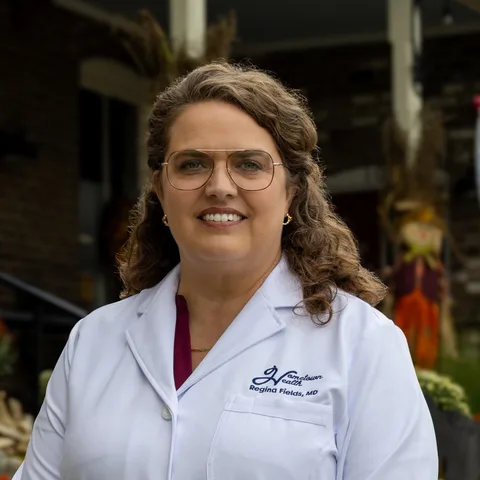
Hometown Health is a solo direct primary care practice in Jefferson City, Tennessee, where Regina Fields is the only provider. She is a board-certified family physician who spent nearly a decade in hospital medicine before training in obesity medicine, menopause care, and functional and lifestyle medicine. Membership is tiered, with a primary care plan, a separate wellness plan covering hormone replacement and medical weight loss management, and a combined plan. Hormone therapy is also offered to non-members on a pay-as-you-go basis. Hormone care begins with bloodwork and a detailed symptom review, and the practice provides bioidentical hormone therapy and testosterone therapy to women alongside nutrition and lifestyle plans. Visits are in office or by telemedicine, and members can reach the provider by phone and text.
Dr. Mandigo is an OB-GYN who runs a small cash-pay video practice alongside her main job at a community health centre in Southern California. Perimenopause and menopause are among the concerns she sees, along with contraception, abnormal smear results and pregnancy questions. You start by filling out a short request form, and she replies by email within a day to set up a video visit. New patient consultations run 60 minutes, with shorter follow-ups after that, so there is time to talk things through. Her intake form points women who want to use insurance for menopause care to another telehealth company instead. She says she started the practice because appointments elsewhere were too short and too hard to get.
Luciana Svilpa runs Women's Preventive Care Clinic as a solo concierge practice in Winter Park, seeing patients in the office and by video in Florida, Washington State and California. Care runs on two tracks, a full hour for hormone therapy and weight management with labs already in hand, or a shorter first visit plus a separate results review for preventive gynecology and everything else. Labs are ordered the day a patient books, so the first appointment is spent on results rather than on waiting. Estradiol and progesterone are usually commercial pharmacy products, testosterone is compounded as pellets, creams or troches, and testosterone injections are not offered because of the risk of virilization. Compounded prescriptions have to come from the one partner pharmacy the practice worked with on its own formulations, and Pap smears, IUD insertion and pelvic exams are booked as their own appointments rather than folded into a consultation. Consultations and the patient portal are available in English and in Portuguese.